

Choosing the right aircraft for your training can significantly impact your learning experience. When conducting an aircraft comparison, it’s important to weigh the benefits and features of different models. Whether you're new to flying or looking to refine your skills, selecting a plane that suits your needs is crucial for ensuring a smooth and effective training process.
While many flight schools continue to train students in aircraft like the Cessna 172, Piper Archer, or Diamond DA40, newer training programs are increasingly adopting modern aircraft equipped with advanced avionics and integrated safety systems like Cirrus.
Cirrus Aircraft are often categorized as Technically Advanced Aircraft (TAA). This is a category defined by the FAA as aircraft equipped with advanced avionics, integrated autopilot systems, and modern navigation technology. As aviation technology continues to evolve, many training programs are shifting toward aircraft that better reflect the systems pilots will encounter in modern general aviation aircraft.
Why Cirrus Stands Out for Flight Training
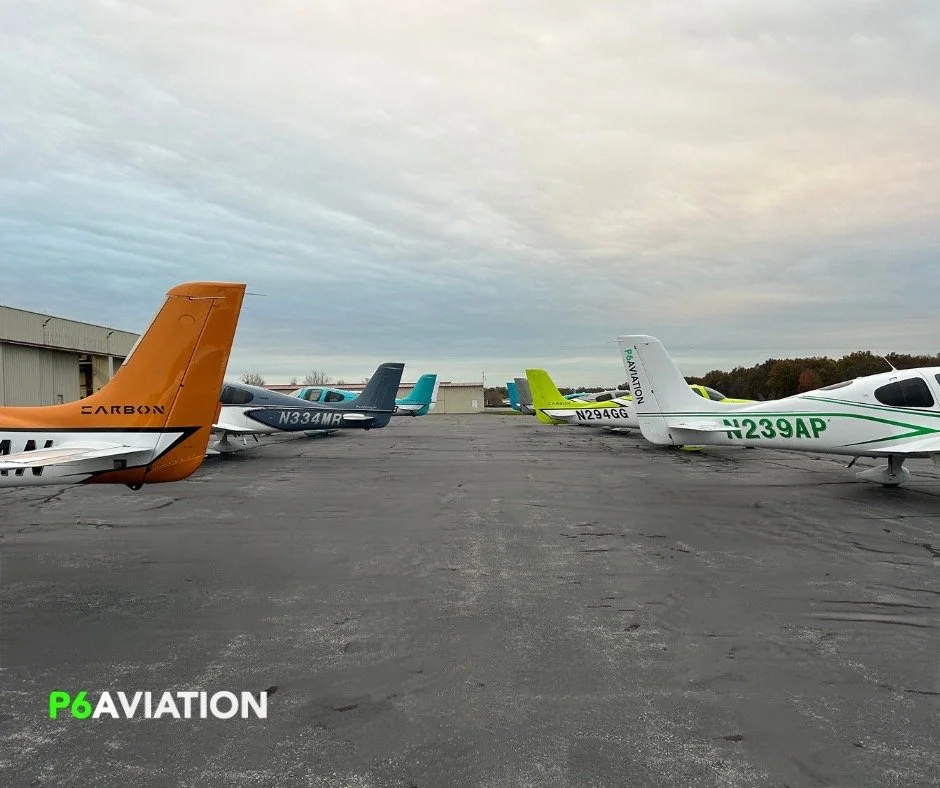
One standout feature of our fleet is its modernity—our oldest Cirrus SR20 dates back to just 2022, offering a state-of-the-art experience compared to many Cessna 172s or Piper Archers used for training, which are often from the 1980s or even earlier. Additionally, our Cirrus SR22s are equipped with FIKI (flight into known icing) capability, allowing for greater operational flexibility and safety in a wider range of weather conditions, giving pilots a distinct advantage when flying in challenging environments.
Cirrus Aircraft is known for its advanced technology and safety features, making it a popular choice for avionics training. For instance, Cirrus aircraft come equipped with the Cirrus Airframe Parachute System (CAPS), which adds an extra layer of safety in emergency situations. This safety-first approach gives student pilots a sense of security while learning. Moreover, the cockpit layout in Cirrus models is designed with user-friendly avionics, like the Garmin Perspective Touch+, which simplifies navigation and system management during training.
Aircraft |
Cruise Speed |
Stall Speed |
Horsepower |
Avionics System |
Fuel Burn |
Range |
Seats |
|---|---|---|---|---|---|---|---|
Cirrus SR20 | 155 KTAS | 57 KCAS | 215 hp | Cirrus Perspective Touch+ | 8.6–12.9 gph | 596–709 nm | Up to 5 |
Cessna 172S | 124 kt | 40 KIAS | 180 hp | Garmin G1000 NXi / analog | 9.9 gph | 640 nm | 4 |
Diamond DA40 | 137 KTAS | 52 KIAS | 180 hp | G1000 NXi | 8.2 gph | 847 nm | 4 |
Piper Archer TX | 128 KTAS | 45 KIAS | 180 hp | G1000 NXi | 10.5 gph | 522 nm | 4 |
This comparison highlights several reasons Cirrus Aircraft are appealing for modern flight training. The SR20 combines higher cruise speeds, more horsepower, and an advanced avionics suite that closely resembles what many pilots will encounter in modern general aviation aircraft. For student pilots, this means training in an aircraft environment that prepares them for real-world flying beyond the basics.
Comfort and Modern Design of Cirrus
Flying isn’t just about the technical aspects; comfort matters too. Cirrus aircraft excel in this area with their modern, ergonomic design. The spacious and luxurious interiors provide more room than many other training aircraft, offering a smoother and more enjoyable experience for long hours of instruction. The leather seating and climate control make a difference, especially on extended training flights. This is a key factor for both students and instructors who value comfort and endurance during training sessions.
Performance and Handling: Cirrus vs. Other Trainers
Cirrus aircraft are also known for their impressive performance. With the SR20 cruising at speeds of 155 knots and the SR22 even faster at 183 knots, these planes offer a powerful yet smooth flying experience. When compared to traditional trainers like the Cessna 172, which tops out around 124 knots, Cirrus offers a more dynamic experience for those looking to refine their skills. This enhanced performance allows pilots to transition more smoothly into faster, high-performance aircraft.
| Aircraft | Typical Cruise Speed |
|---|---|
| Cirrus SR20 | 155 KTAS |
| Cessna 172 | 124 KT |
| Diamond DA40 | 137 KTAS |
| Piper Archer | 128 KTAS |
For pilots in training, cruise speed can make a meaningful difference during cross-country lessons. Faster aircraft like the SR20 allow Cirrus students to cover greater distances in less time, which can help complete required training flights more efficiently and expose students to a wider variety of airports and airspace environments.
Traditional trainers such as the Cessna 172, Piper Archer, and Diamond DA40 remain popular training aircraft because of their forgiving handling characteristics and widespread availability in many flight school fleets. However, these aircraft typically cruise slower and are designed primarily for foundational training but not necessarily for advanced avionics immersion. By contrast, aircraft like the Cirrus SR20 combine training-friendly handling with higher cruise speeds and integrated avionics systems that mirror those that are used in many modern general aviation aircraft. Faster cruise speeds allow Cirrus pilots to complete cross-country flights more efficiently, gain exposure to more real-world navigation scenarios, and build their confidence flying longer distances earlier in their training. It is important to note that the SR20 also has forgiving handling characteristics and will absolutely provide the foundational training that is required to be a proficient and confident pilot.
Advanced Avionics and Glass Cockpit
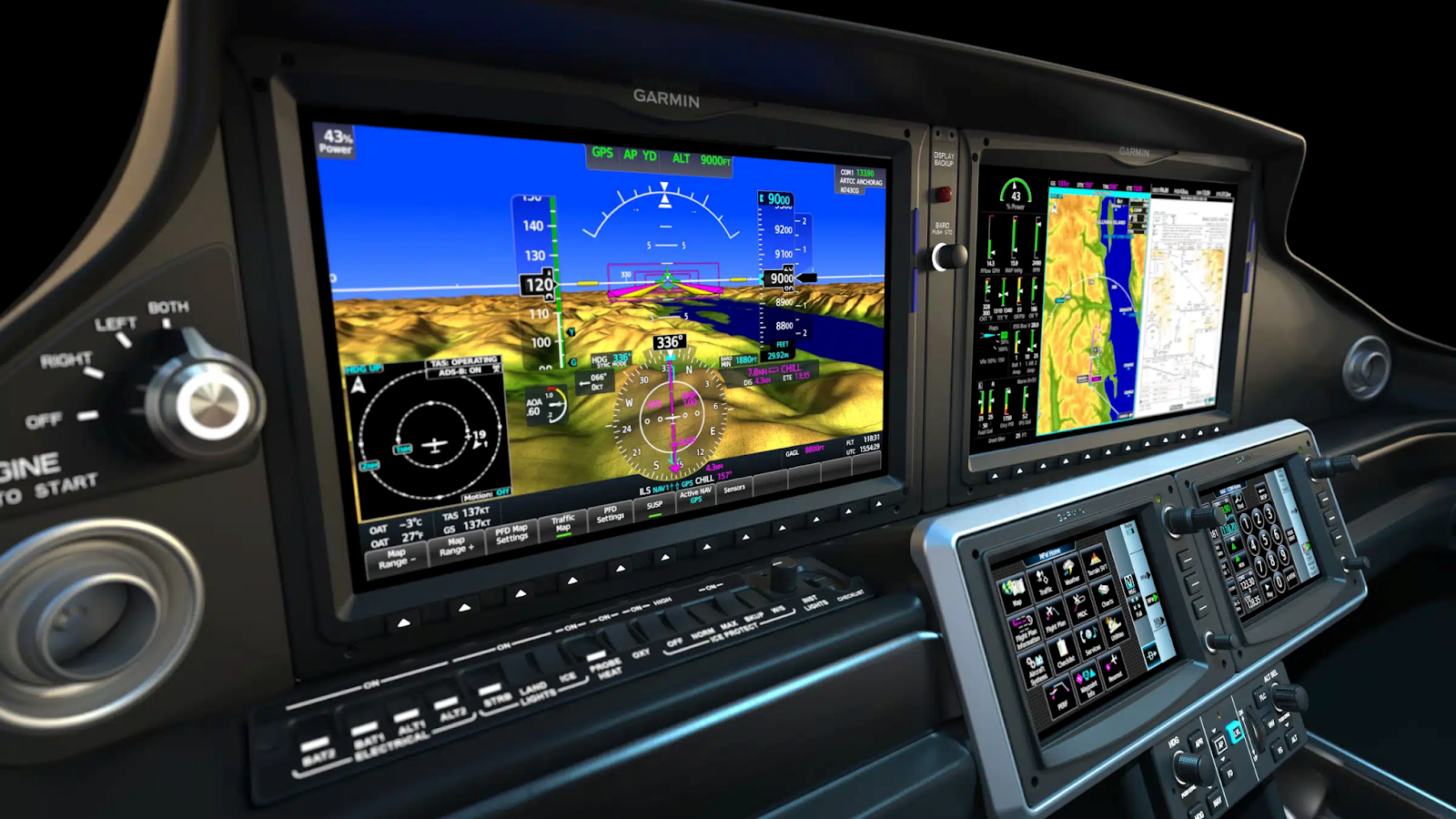
Training in a Cirrus aircraft also exposes pilots to cutting-edge avionics. The Garmin Perspective+ (G6 series) and the Garmin Perspective Touch + (G7 series) glass cockpit found in Cirrus models is designed for modern-day pilots. Its integration with touchscreen capabilities, synthetic vision, and enhanced autopilot systems means that pilots training in these aircraft will be well-prepared for advanced systems in future aircraft. Compared to older analog cockpits found in other trainers, Cirrus provides a more advanced learning environment that reflects the technology pilots will encounter in real-world situations.
Modern glass cockpit environments also help students develop automation management skills earlier in their training than they would without. This is crucial because managing flight plans, monitoring autopilot modes, and interpreting integrated navigation and situational awareness displays are increasingly essential skills for modern pilots.
For example, during a cross-country flight a student pilot might use the integrated flight management system to plan the entire route, load instrument approaches, and monitor weather and traffic directly on the display. Synthetic vision can help pilots visualize terrain and obstacles even in reduced visibility conditions.
Another example of the benefits of training on a glass cockpit occur during instrument training, where pilots can practice managing autopilot modes while monitoring altitude capture, navigation tracking, and vertical guidance. Learning and training with these systems early prepares pilots to safely operate the types of aircraft commonly used for business travel, personal transportation, and advanced general aviation flying.
Safety Features of Cirrus Aircraft
Beyond performance and design, Cirrus has become known for its dedication to safety, particularly with its CAPS parachute system. In emergency situations, the parachute deploys to lower the entire aircraft safely to the ground. While other training aircraft may include safety features, the CAPS system sets Cirrus apart, providing an unparalleled level of emergency preparedness. This feature alone makes Cirrus a top contender for pilots concerned with safety during training.
The SR Series aircraft are also designed with innovative NASA-inspired wing technology, featuring a "cuffed" leading edge that reduces the risk of an accidental stall. Additionally, the digital three-axis autopilot system includes Electronic Stability and Protection (ESP™), which subtly assists in maintaining safe flight attitudes. This protective feature remains active even when the autopilot is turned off, ensuring enhanced safety throughout your flight.
The Cirrus SR20’s safety architecture combines several integrated systems designed to reduce multiple loss-of-control risks. Included are the Garmin SafeReturn autoland system, CAPS parachute system, electronic stability protection, autopilot stall protection, and tactile stall warnings such as stick shakers. In contrast, most traditional training aircraft rely primarily on aerodynamic stability and pilot training rather than a whole-airframe parachute recovery system. For many of our Cirrus students and their families, this additional safety layer is an important consideration when choosing a training aircraft.
CAPS Parachute System – Deploys a whole-aircraft parachute that can safely lower the aircraft to the ground during an extreme emergency.
Garmin SafeReturn autoland system – One button push engages an autoland system that returns the aircraft safely to the nearest suitable runway, without any pilot input.
Electronic Stability Protection (ESP) – Automatically applies gentle control pressure if the aircraft is approaching unsafe flight attitudes.
Autopilot Stall Protection – Aids in preventing dangerous low-speed situations by adjusting aircraft controls automatically.
Stick Shaker Stall Warning – Provides tactile feedback to warn pilots of an approaching stall before it becomes critical.
Together, each of these systems create multiple layers of safety that help student pilots recognize and avoid dangerous situations while still developing strong piloting skills.
Cost Comparison: Cirrus vs. Other Aircraft
Investing to learn in a Cirrus aircraft reflects not only the desire for cutting-edge technology and avionics but also an overall superior flying experience. With faster speeds, Cirrus aircraft allow you to cover more ground in less time, making each hour in the air more efficient. The added safety features and high-performance capabilities ensure a smooth and productive training process, giving you a premium experience that goes beyond basic flight training.
When operating characteristics are compared, traditional trainers like the Cessna 172 typically burn around 9.9 gallons per hour, while the Cirrus SR20 generally burns approximately 8.6–12.9 gallons per hour depending on power settings utilized. Although hourly training rates may vary between aircraft types, differences in cruise speed and cross-country efficiency will sometimes offset higher hourly aircraft costs by allowing students to complete certain training flights more efficiently.
| Aircraft | Typical Fuel Burn |
|---|---|
| Cirrus SR20 | 8.6–12.9 gph |
| Cessna 172 | 9.9 gph |
| Diamond DA40 | 8.2 gph |
| Piper Archer | 10.5 gph |
Cirrus aircraft remain competitive with other trainers in fuel consumption while offering a significantly greater cruise speed along with advanced avionics capabilities.
Training Flexibility with P6 Aviation

Cirrus aircraft are highly versatile, making them suitable for a range of training programs. Whether you’re starting with your private pilot license (PPL) or advancing to instrument or commercial training, Cirrus provides a well-rounded experience. Its balance of speed, handling, and technology makes it ideal for mastering basic maneuvers while also preparing students for complex scenarios like instrument approaches. Compared to more basic trainers, Cirrus allows for a smoother transition as you progress to more advanced certifications.
Furthermore, one of the unique advantages of training with P6 Aviation is the flexibility it offers compared to other types of certifications. With Cirrus flight training at P6, you can enjoy the freedom to fly to a variety of destinations during your training. Unlike more rigid programs that require students to follow a highly specific training plan, our approach allows you to gain real-world experience by exploring different airports and airspaces. This hands-on learning experience not only builds your confidence as a pilot but also makes your time in flight school more engaging and enjoyable, preparing you for the diverse challenges of flying in different environments.
WHICH TRAINING AIRCRAFT IS RIGHT FOR DIFFERENT TYPES OF PILOTS?
While every training aircraft has strengths, the best choice often depends on a student’s goals.
• Traditional trainers like the Cessna 172 are often chosen for foundational flight training because of their forgiving handling characteristics and wide availability in training fleets.
• Aircraft like the Diamond DA40 or Piper Archer are commonly used by schools that want modern avionics while maintaining familiar training characteristics.
• Cirrus aircraft, however, are frequently chosen by students who want to train in a technologically advanced aircraft environment and prepare for flying a modern personal or business aircraft after certification. Because the Cirrus SR20 is equipped with a 215-horsepower engine, it also falls into the FAA category of high-performance aircraft, which means students training in these aircraft may gain experience relevant to the high-performance endorsement required for certain aircraft types later in their flying careers.
The Cirrus Life: Redefining Flight Training
Cirrus flight training goes beyond just teaching you how to operate an aircraft—it empowers you to embrace the convenience and flexibility of personal aviation. With the advanced training and technology offered by P6 Aviation, you’re not just learning to fly; you’re unlocking a lifestyle of freedom and efficiency. Imagine flying yourself to Boston for a business meeting in the morning, avoiding crowded airports and long security lines. After wrapping up your work, you can head back, land at your local airfield, and be home in time for dinner with your family. This is the essence of the Cirrus Life—personalized, efficient travel on your terms, making the most out of every moment both in the sky and on the ground.
Which Aircraft Is Right for You?
As modern flight training continually evolves, many flight training programs are incorporating technologically advanced aircraft to better prepare pilots for flying in today’s aviation environment. Choosing to train in an aircraft equipped with modern avionics, integrated autopilot systems, and advanced safety features can help students develop the skills needed to safely manage complex aircraft systems in real-world flying.
Choosing between Cirrus and other training aircraft ultimately depends on your priorities. If you value cutting-edge technology, safety, and a more luxurious flying experience, Cirrus might be the perfect fit for your training. The decision comes down to your goals, whether you're aiming for efficiency, advanced features, or cost savings.
At P6 Aviation, our flight school specializes in Cirrus flight training and rentals, providing access to a large fleet of modern SR20, SR22 and SR22T G6 & G7 models. Ready to begin your journey in aviation? Contact us today to schedule your flight and take the first step toward becoming a confident, capable pilot!


